Feline Clawing Solutions
Scratching is natural. Damage doesn't have to be.
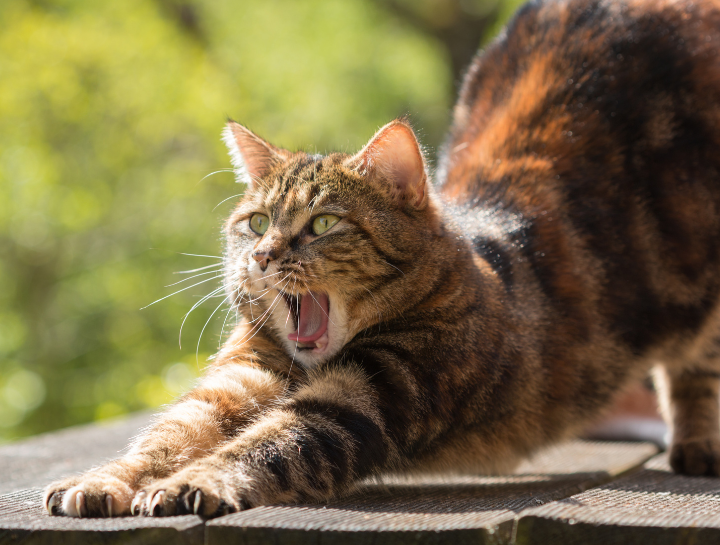
Scratching is one of the most instinctive things a cat does. It helps them stretch, mark their territory with scent, and shed the outer layer of their claws. Cats can't be trained to stop scratching, but they can be taught where to do it. Our team is here to help you protect both your home and your cat's wellbeing.
Humane alternatives to declawing
Most scratching problems can be solved without surgery. Options include:
- Regular nail trims
- Scratching posts and boards placed where your cat likes to scratch
- Soft vinyl nail caps
- Calming pheromone sprays and plug-ins
- Sticky tape or foil to discourage scratching on furniture
- Positive reinforcement when your cat uses the right surfaces
What is declawing?
Declawing isn't a nail trim. It's a surgery performed under general anesthesia that removes the last bone of each toe, which is what keeps the claw from growing back. It's comparable to removing the last joint of a human finger. Like any surgery, it carries risks, including anesthetic complications, pain, bleeding, infection, and nerve damage.
When is declawing medically necessary?
Rarely. Our veterinarians may recommend removing a claw when a toe has been seriously injured, a claw is damaged beyond repair, or a condition like a tumor or chronic infection is causing ongoing pain. Every situation is evaluated individually, and any decision is made together with you based on your cat's health and your family's needs.
We're here to help
If your cat is scratching where they shouldn't, give us a call at (801) 254-6621. We'll help you find a solution that works for your cat and your home.